
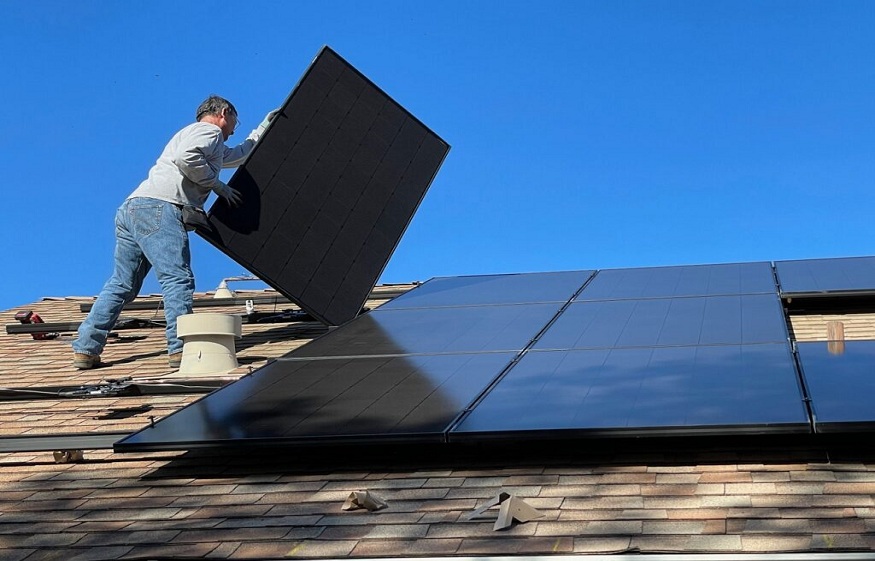
Home energy management has shifted from a passive expense to an active planning consideration for many households. As smart homes expand, energy decisions reflect coordination rather than consumption alone. Freedom Forever Reviews reflect this shift as more homeowners begin to see solar systems as part of a broader framework that shapes how energy costs behave over time.
This change reflects growing attention to predictability in household expenses. Instead of treating electricity as a variable monthly charge, homeowners now look for ways to manage energy with greater consistency. Smart energy systems support this approach by linking production, storage, and use into a coordinated structure that allows households to plan with more confidence.
From Variable Bills to Managed Energy Costs
Traditional utility billing exposed households to fluctuating rates, seasonal demand, and external pressures beyond homeowner control. Energy expenses often vary month to month, making long-term planning difficult. Smart energy systems alter this dynamic by coordinating when and how electricity gets used, reducing exposure to unpredictable cost swings.
Read More: Bathroom Water Softener Guide: Do You Need One or Not?
By aligning consumption with on-site production, households gain a clearer view of expected expenses. Solar systems paired with monitoring platforms provide ongoing insight into energy flow. This visibility supports budgeting decisions that rely less on estimates and more on observed patterns, creating a steadier financial outlook.Homeowners can track how seasonal changes affect both usage and costs. This ongoing feedback reinforces confidence in long-term financial planning.
Coordination Changes How Energy Gets Valued
Energy coordination shifts the economic role of electricity within the household. Instead of serving only as a utility expense, energy becomes a managed input tied to daily decisions. Smart systems prioritize usage based on availability, reshaping how households think about cost control.This reframing encourages families to consider timing and flexibility as part of energy value. Decisions about when to use power become integrated into routine activities rather than reactive choices. Over time, this approach supports more deliberate and informed cost management.
This coordination affects long-term planning as well. Households begin to assess energy investments not only by upfront savings but by how systems support stability over time. Energy management platforms frame electricity as something that can be scheduled, deferred, or reserved rather than consumed indiscriminately.
Storage Supports Predictable Planning
Battery storage plays a central role in shaping cost predictability. Without storage, households remain tied to production windows and grid availability. Storage allows energy produced earlier to support later use, smoothing consumption patterns across the day.This flexibility reduces dependence on time-of-use pricing structures. Households gain greater control over when grid power is needed, if at all. Over time, storage supports a more balanced and predictable energy profile regardless of external conditions.
Read More: Top 10 Home Automation Manufacturers in India (2026 Complete Guide)
This capability supports planning beyond immediate savings. Households account for stored energy when evaluating future needs, reducing reliance on external pricing shifts. Storage integrates solar into financial planning by supporting consistent access during peak demand periods.
Smart Systems Reduce Exposure to Price Shifts
Smart energy systems reduce exposure to these factors by relying more heavily on coordinated internal resources. By balancing on-site generation, storage, and usage, households can avoid peak pricing windows more effectively. Online discussions, including Freedom Forever reviews, frequently highlight this ability to stabilize costs, noting how coordinated systems help homeowners feel less vulnerable to sudden pricing shifts. This coordination limits reliance on the grid during periods of highest volatility. Over time, the approach supports steadier energy costs despite shifting market conditions.
By adjusting usage during higher-cost periods, households maintain steadier expense patterns. This adjustment occurs through software-driven scheduling rather than manual oversight. As a result, households experience fewer surprises tied to short-term price changes.
Long-Term Planning Extends Beyond Monthly Savings
Smart energy management influences planning horizons that extend beyond monthly bills. Households evaluate how systems support future needs tied to occupancy changes, vehicle charging, and climate conditions. Energy platforms provide data that informs these decisions over time. This longer view encourages proactive adjustments rather than reactive changes. Homeowners can model how evolving usage patterns may affect performance and costs.
This perspective changes how homeowners assess value. Rather than focusing only on immediate cost reduction, households consider how energy coordination supports predictable expenses across years. Planning benefits emerge through consistency rather than isolated savings. Long-term reliability becomes a central part of the value equation. Homeowners begin to prioritize systems that reduce volatility and unexpected fluctuations.
Software Insights Support Financial Confidence
Energy management software translates system performance into accessible information. Dashboards display production, storage levels, and usage trends, offering households a clearer understanding of cost behavior.Over time, these insights support confidence in planning decisions. Homeowners rely on observed performance rather than assumptions. This clarity supports decisions tied to home upgrades, appliance use, and broader household budgeting.
Over time, this visibility strengthens the relationship between homeowners and their energy systems. Rather than reacting to monthly bills, households can anticipate how changes in behavior or equipment can affect long-term costs. The result is a more informed approach to energy planning, where decisions are grounded in real performance data and aligned with broader financial priorities.
Predictability Shapes Energy Confidence
Predictable energy behavior influences how households view long-term commitments. When systems behave consistently, homeowners feel more comfortable making decisions tied to future usage. Confidence grows when costs follow recognizable patterns.
This confidence supports broader planning. Households integrate energy expectations into financial decisions, treating electricity as a managed element rather than an uncertain expense. Predictability supports stability without requiring constant attention.
Broader Uses for Smart Home Economics
As energy coordination becomes more common, household economics reflect this shift. Smart homes frame energy as a controllable input supported by coordination rather than consumption alone. This framing reshapes expectations around cost behavior.
System design, software quality, and long-term coordination now shape the trajectory of residential solar. The future of home energy is defined not simply by how much power a system can produce, but by how intelligently it manages, adapts, and integrates within the home. As adoption advances, intelligence transforms solar from a static installation into a responsive, performance-driven platform that delivers lasting value in everyday life.