
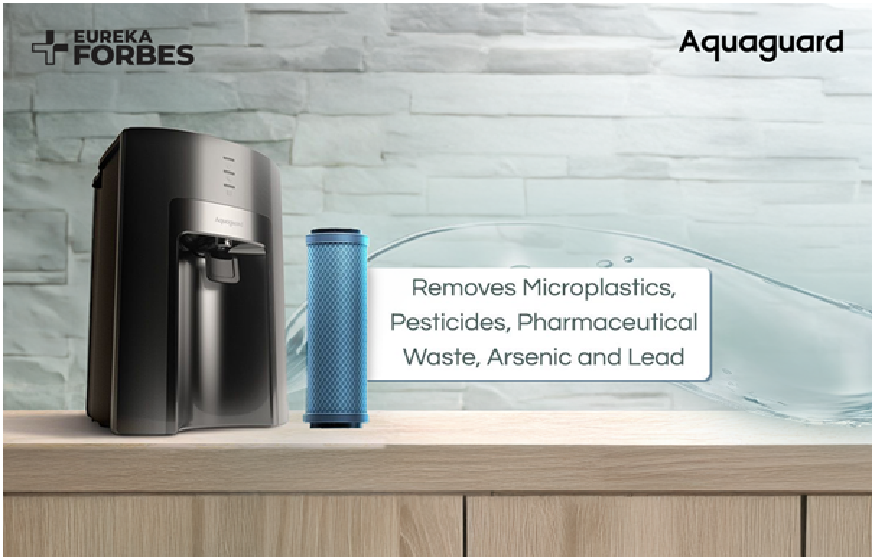
An RO water purifier guarantees the water you consume is clean, transparent, and safe. It removes fine debris, salts, chemicals, and pathogens that regular filters may miss. But even the best reverse osmosis system needs attention.
Your water purifier can function better, endure longer, and remain safe for regular use with a few easy actions. These recommendations can help you keep your device in great shape.
1. Keep the Pre-Filter Clean
Large particles, rust, and sand are captured by the pre-filter. The purifier finds it difficult to draw in water when it becomes clogged. This can slow the flow and put more load on the RO membrane. Check the pre-filter every few months. Replace it when it looks brown or dirty. This one step protects the whole unit.
2. Replace Filters on Time
Your RO purifier has many filters. Each one has a life limit. When you skip these changes, the purifier loses its ability to clean water well. Old filters may also affect taste. Follow the service guide. Most filters last six months to one year. Some new units offer filter life alerts. Check them often. Timely changes help the purifier stay strong for years.
3. Protect the RO Membrane
The RO membrane does the main work. It removes salts, chemicals, germs, and dissolved waste. To keep it strong, make sure the pre-filter and carbon filter are in good shape. These protect the membrane from a heavy load. If you notice slow flow or a salty taste, the membrane may need a check. Do not delay a service call. Early care helps avoid costly repairs.
4. Check the Storage Tank
Most RO units store water in a fresh tank. Keep this tank clean. Wipe the outside often. Make sure the lid stays shut. If the tank smells odd or shows algae, request a deep clean service. A clean tank helps keep your water fresh and safe.
5. Clean the Tap and Pipes
The tap can collect germs and fine dirt over time. Wipe it daily with a clean cloth. If the tap leaks or shakes, fix it early. Loose taps can waste water and cause drips near the purifier. If your model has a pipe for wastewater, make sure it stays open and unclogged.
6. Keep the Area Around the Purifier Dry
Moisture near the water purifier can affect the machine. Keep the area dry and clean. Avoid placing soap bottles or wet cloths near the unit. If your purifier is on a wall, make sure the support stays strong and rust-free.
7. Watch the Flow Rate
A sharp drop in flow can show a filter issue. It may also show a blockage in the membrane. Slow flow is a clear signal to book a service. Do not ignore it. Fixing it early helps prevent bigger damage.
8. Pay Attention to Taste and Smell
Clean water should taste clear and fresh. If the taste changes or smells odd, the purifier needs attention. This may be due to an old filter, a clogged membrane, or a poor water supply. Call for service at once.
9. Get Regular Service
Plan a service check at least once a year. A skilled technician will make sure every step functions properly, check the pressure, and clean the internal components. This service helps your water purifier last longer and run with fewer problems.
Conclusion
A little attention goes a long way. When you follow easy instructions, your RO water purifier stays robust, safe, and reliable. The system’s core is protected by clean filters, a new tank, and routine inspections.
This helps deliver clean drinking water every day. With steady care, your reverse osmosis water purifier will last for many years and give your family safe water you can trust.