
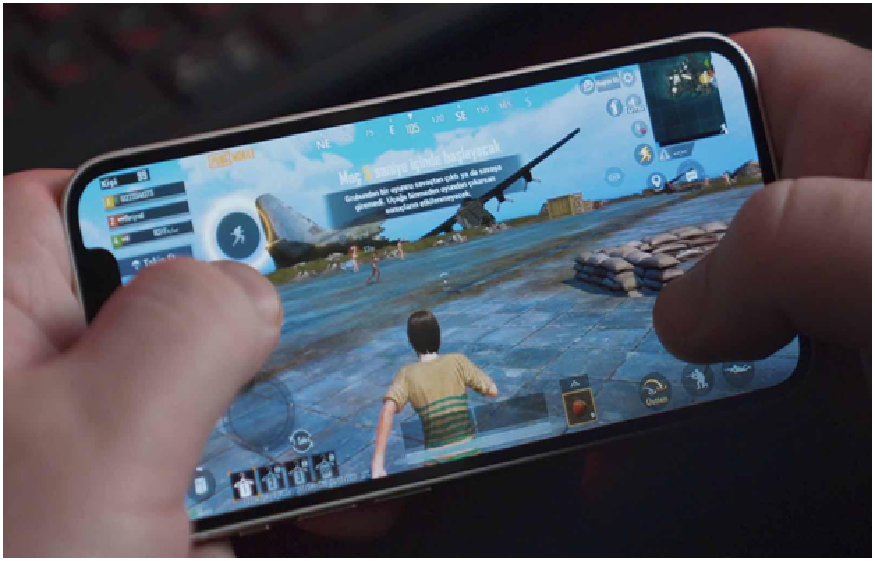
How multiplayer action games influence competitive player behaviour today is more than entertainment. The modern gaming culture, especially multiplayer games, is helping players develop competitive behaviour. From planning and strategy to execution, these games like BGMI foster an environment that helps develop key skills like teamwork, quick decision-making, fast reaction times, and emotional control. They also develop a goal-oriented mindset and the agility to adapt to dynamic environments in response to real-time requirements. The result or outcome of a team game usually depends on the performance of all team members. Therefore, reviews are often conducted, and team members watch recordings to understand what went wrong and identify the areas for improvement.
Game publishers understand these behavioural attributes and develop their games accordingly. Based on this, gaming companies create experiences that fulfill users’ demands.
Some key skills that are important and are learned through multiplayer games:
Read More : Your Complete Guide to Selecting the Right IT Partner: Essential Tips for American Businesses
- Managing resources: Having the right number of resources is key to control in online team-based games. Resources are used for various purposes, such as building infrastructure, training armies, buying ammunition, and competing with opponents.
- Agility to adapt: Different situations in team games do not solely depend on one’s performance; they are an outcome of the collective efforts of all peers. In difficult situations, team members adapt to fulfil immediate demands and requirements. This helps in developing quick adaptability and shared practices.
- Structured Planning: Team games are won through structured planning and proper execution. It teaches users how to apply a layered approach to a problem. At times, these practices also help in real-life situations and in professional roles such as software development and coding. From resource utilization to winning at different levels and stages, multiplayer online games offer more than entertainment—they help develop more manageable, organised, and modular solutions.
- Fail and Rebuild: At the end of these games, one either wins or loses. When one loses, the user learns a lot from the mistakes. It is similar to an outdoor team game, such as soccer, where players review their performance to improve their abilities and discipline for a better result next time.
- Time Management: In multiplayer action games, like combat games or first-person shooter games such as BGMI, there is always a time dimension that brings discipline to the gamer’s strategy. A ticking clock serves as motivation to conquer within a specific timeline. This inherently develops the gamer’s time management skills.
Read More : Erik Hosler Highlights How LBNL and EUV Tech Are Advancing Beam Coherence
Gamers also use internet resources and social media platforms to discuss their games and strategies. These further shape their style of playing a multiplayer game. They engage in more communication and collaboration with other users to understand different ways of playing.
Teamwork and Competitive Skills
The environment of multiplayer action games is very different from a solo battle. The multiplayer experience is enriched with coordination and shared responsibility.
Competitive behaviours shaped by these games include:
- Clear and timely communication
- Trusting the team during critical moments
- Faster reaction times
- Stronger situational awareness
- Self-review after matches
- Patience after losses
- Discipline in high-stress situations
- Quick learning from opponents
- Strategic adjustments during matches
- Commitment to improvement
These attributes help players improve their competitive behaviour. Every game brings valuable lessons and shapes their plans for the next battle. In the combat games like BGMI