
The financial landscape has undergone a massive transformation over the last few decades. Gone are the days when investors had to wait weeks for physical share certificates to arrive by mail or deal with the anxiety of losing a paper document. Today, the entire process of buying, holding, and selling securities happens in the blink of an eye, largely thanks to the digital revolution in the stock market.
At the heart of this revolution are digital platforms that have simplified how we interact with the capital markets. These tools have not only made investing more accessible to the general public but have also introduced a level of transparency and speed that was previously unimaginable. By moving away from physical ledgers and paper trails, the modern financial system has become more robust and inclusive.
Understanding how these digital interfaces manage our assets is crucial for any modern investor. These platforms do more than just show numbers on a screen. They act as a sophisticated bridge between the individual investor, the stock exchanges, and the central depositories. This article explores the intricate ways in which digital tools facilitate the holding and settlement of securities in the modern age.
The Evolution from Physical to Digital Holdings
Before the advent of dematerialization, owning a piece of a company meant holding a physical piece of paper. These certificates were the only proof of ownership, and they came with a host of logistical nightmares. If a certificate was lost, stolen, or damaged, the process of getting a duplicate was long and expensive. Furthermore, transferring these shares required physical delivery and manual verification, which often took weeks to complete.
The introduction of the DEMAT system changed everything. Dematerialization is the process of converting physical share certificates into electronic form. This shift was not just about convenience; it was a necessary step to handle the increasing volume of trades in a growing economy. By digitizing assets, the market could move faster, and the risks associated with physical handling were virtually eliminated.
Today, when you buy a share, you do not receive a paper document. Instead, the security is credited to your account in electronic format. This digital record is legally recognized as proof of ownership. The transition has allowed for a more liquid market where millions of transactions can be processed simultaneously without the need for a massive physical infrastructure to move paper back and forth.
How DEMAT Apps Serve as a Gateway
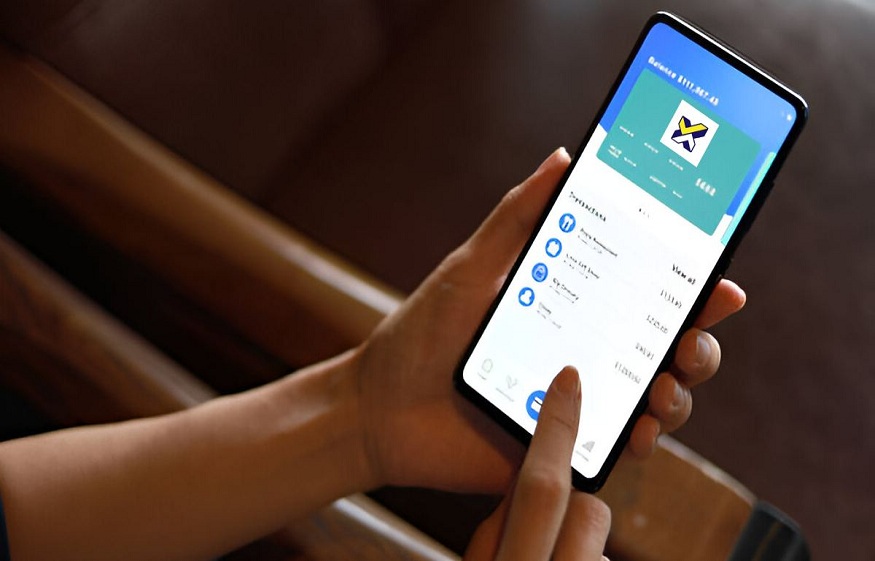
Modern investing is defined by the convenience of mobile technology. DEMAT apps serve as the primary interface for investors to interact with their electronic holdings. These applications are designed to provide a seamless user experience, allowing individuals to monitor their portfolios, track market movements, and execute trades from anywhere in the world.
A DEMAT account functions much like a bank account, but instead of holding cash, it holds securities like stocks, bonds, and mutual funds. The app provides a window into this digital vault. When you log in, you see a real-time update of your holdings, their current market value, and your overall profit or loss. This level of immediate feedback is essential for making informed investment decisions in a fast-paced market.
Beyond just viewing balances, these apps facilitate the complex communication required between various financial entities. When a user places an order, the app communicates with the brokerage system, which then connects to the stock exchange. Once the trade is executed, the app ensures that the information is passed along to the depository to update the ownership records. This entire chain of communication happens in milliseconds, hidden behind a user-friendly interface.
Streamlining the Settlement Process
Settlement is the process where the buyer receives the securities and the seller receives the money. In the past, this was a cumbersome cycle that could take a week or more. With the integration of DEMAT apps and electronic systems, the settlement cycle has been drastically shortened. Most modern markets now operate on a T+1 or T+2 basis, meaning the settlement is completed within one or two business days after the trade.
When a trade occurs, the clearing corporation steps in to guarantee the transaction. The DEMAT apps play a vital role here by ensuring that the necessary securities are available in the seller’s account. If you sell a stock today, the app automatically blocks those shares so they cannot be sold again. On the settlement date, the shares are moved out of your account and into the buyer’s account through a process called delivery.
This automated settlement reduces the risk of default. Since the system checks for the availability of shares and funds before confirming the trade, the chances of a transaction failing are very low. The speed of this process also means that investors can reinvest their capital much faster, increasing the overall efficiency of the financial system.
Enhanced Security and Risk Mitigation
One of the most significant advantages of using DEMAT apps is the enhanced security they offer. Physical certificates were prone to forgery, theft, and loss. There were also instances of “bad delivery,” where a transfer was rejected because the signature on the paper did not match the records. Digital holdings have eliminated these specific risks entirely.
Security in the digital age is handled through multiple layers of protection. These apps use advanced encryption to protect user data and transaction details. Two-factor authentication, biometric logins, and secure PINs ensure that only the account holder can access the holdings. Every transaction leaves a digital footprint, making it much easier to track and resolve any discrepancies.
Furthermore, the centralized nature of depositories means that your assets are safe even if the app provider faces technical issues. The app is merely a portal; the actual ownership records are maintained by large, highly regulated central depositories. This separation of the interface from the storage adds an extra layer of safety for the investor’s wealth.
The Future of Digital Securities Management
As technology continues to evolve, the role of DEMAT apps will likely expand even further. We are already seeing the integration of more diverse assets, such as gold bonds, government securities, and even certain types of insurance policies, into the same digital ecosystem. The goal is to provide a single point of control for an individual’s entire financial life.
The move toward even faster settlement cycles is also on the horizon. Some markets are exploring real-time settlement, where the transfer of ownership and funds happens the moment the trade is executed. This would further reduce systemic risk and free up capital instantly. Digital platforms will be the primary vehicles for delivering these innovations to the end-user.
In conclusion, the transition from physical certificates to digital holdings through DEMAT apps has revolutionized the way we perceive and manage wealth. By providing a secure, efficient, and transparent environment for holding and settling securities, these platforms have made the financial markets more resilient. For the modern investor, these tools are no longer just a luxury; they are an essential part of participating in the global economy. The convenience of having an entire portfolio in one’s pocket is a testament to how far financial technology has come in a relatively short period.